
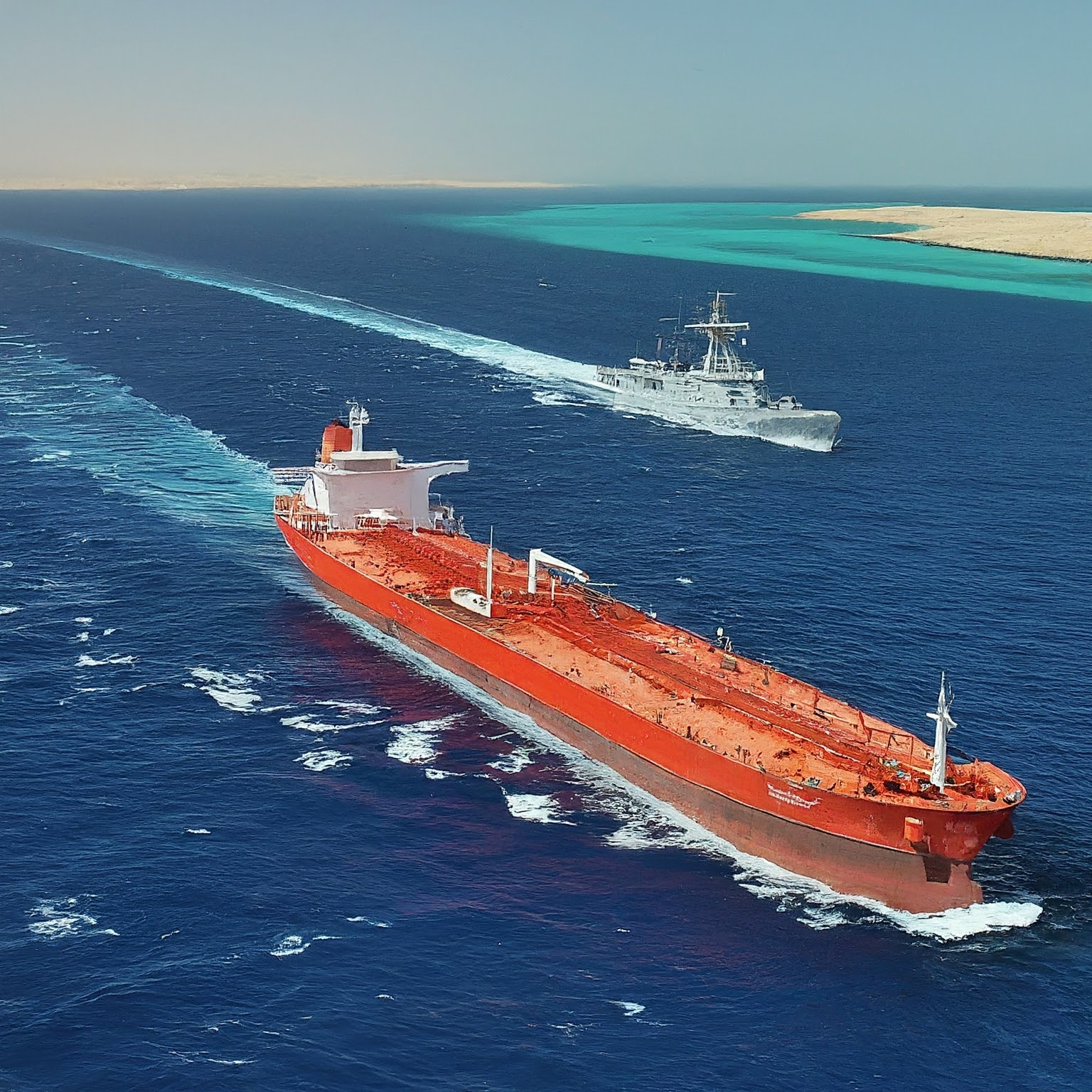
The Red Sea, a vital artery of global trade for millennia, has become a churning cauldron of tension
in recent months. Houthi rebels, based in Yemen, have launched a series of attacks on commercial
vessels linked to Israel and its friendly countries traversing the crucial waterways, raising concerns
about supply chain disruptions, energy security. This will have a major impact on the world,
particularly India, and to understand its impact we need to history of this conflict and how this trade
route is a crowned jewel in the World’s logistics system.
A Historical Simmering:
The roots of the current crisis lie in Yemen’s Long standing civil war, a complex conflict with its
origins in political and economic disparities. In 2014, Iran backed Houthi rebels overthrew the
internationally recognized government, prompting a Saudi-led coalition of nine countries to
intervene 2015. This war has been devastating, claiming countless lives and triggering a
humanitarian crisis.
The first shot:
Tensions escalated in October 2022 when a Houthi drone attack stuck an oil tanker off the coast of
Yemen, marking a shift in tactics. Since then, they have targeted several vessels, including one
carrying Israeli flag, prompting increased security measures, and rerouting of ships, particularly
around the strategically important Bab al-Mandab strait.
Global Trade in Peril:
Red Sea, A narrow passage connecting Indian Ocean with Mediterranean Sea through swiz canal is a
major shipping route between Asia and Europe, carries roughly 12% of the global trade volume and
nearly 30% of the world’s oil shipment. Houthi attacks have been devastating for this vital artery,
jeopardizing the smooth flow of goods and energy. This lead to following concerns in this connected
world economies.
Supply Chain Disruptions: Rerouting ships around the Cape of Good Hope adds days and significant
costs to shipping, impacting the price and availability of goods worldwide.
Energy Security Concerns: Disruption of oil tankers creates uncertainty in the global oil
market, potentially leading to price fluctuations and impacting energy-importing countries.
Maritime Safety Fears: Attacks raise concerns about piracy and broader instability in the
region, deterring shipping companies and potentially increasing insurance costs.
India trade and security at risk:
As a major shipping route between the Europe, Middle East and India, disruptions in red sea has left
India particularly vulnerable. Nearly 60% of India’s crude oil imports transit through the waterway,
making it heavily reliant on the region’s stability. Houthi attacks have already led to increased
shipping costs and delays, impacting Indian businesses and consumers.
Higher Energy Costs: Rising shipping costs translate to higher oil prices for India, potentially fueling
inflation and impacting economic growth.
Supply Chain Bottlenecks: Delays in shipments of essential goods can disrupt Indian industries and
lead to shortages of critical materials.
Geopolitical Uncertainty: The Houthi-Saudi Arabia conflict and its spillover onto the Red Sea create
regional instability, posing challenges for India’s foreign policy and energy security strategy.
A Plea for Serenity and Collaboration:
The Houthi attacks on the Red Sea pose a significant threat to global trade, energy security, and
regional stability. While the conflict’s roots lie in Yemen’s internal struggles, its ramifications extend
far beyond its borders, impacting countries like India that rely heavily on the waterway’s smooth
operation. Finding a peaceful resolution to the Yemeni conflict remains crucial to ensure the safety
of maritime traffic and address the humanitarian crisis. Continued international diplomatic efforts,
coupled with dialogue between all parties involved, are essential to de-escalate tensions and
prevent further disruptions to the vital Red Sea trade route.
Furthermore, diversifying energy sources and exploring alternative oil transportation routes could
help mitigate India’s vulnerability to disruptions in the Red Sea. Investing in renewable energy
sources and promoting regional cooperation on energy security can enhance India’s resilience and
contribute to a more stable and sustainable future for the region. The Red Sea stands at a
crossroads. The choices made by regional and international actors in the coming months will
determine whether this crucial waterway remains a bridge of commerce and cooperation or
succumbs to the forces of conflict and instability. The stakes are high, not just for India and the
world’s maritime trade, but for the well-being and future of millions caught in the crossfire of
Yemen’s seemingly unending war
Leave a Reply